
This post may contain affiliate links. Please read my disclosure for more info.
There are lies survivors are taught to believe, lies that protect abusers and silence the truth. It’s time to release those burdens. What happened to you wasn’t your fault, and it never will be.
For so many of us, myself included, the wounds began long before we had language to understand what was happening. When you grow up inside trauma, myths become the air you breathe. They shape your view of yourself. They whisper blame that never belonged to you.
But these myths are not truth.
And truth, when spoken aloud, is liberating.
Today, we’re breaking some of the most common myths survivors carry – the ones that keep is small, silent, and ashamed. You deserve the clarity that pulls you toward real healing.
If you need additional support, you can explore:

Myth #1: “It Wasn’t Abuse Because I Didn’t Fight Back.”
The Truth: Your body protected you, even if you don’t understand how.
One of the most harmful misconceptions survivors internalize is the idea that “real” victims scream, run, fight, or resist. But the nervous system is far more complex, and far more protective than that.
Trauma responses are automatic survival strategies. They are not choices. They are not consent.
The common trauma responses include:
- Fight ~ resisting, yelling, hitting
- Flight ~ attempting to escape
- Freeze ~ shutting down, going still, dissociating
- Fawn ~ complying to reduce danger
Most survivors freeze. Many fawn. Almost none “fight” in the way movies portray.
As someone who experienced childhood trauma myself, I froze too – not because I wanted to, but because my small body instinctively shut down to survive what I didn’t have the capacity to understand or escape.
Your body did what it had to do to protect you.
Freezing is not consent.
Compliance is not consent.
Silence is not consent.
Self-Reflection Prompt:
When you think back to the moment(s) you froze, what did your body need that you couldn’t access at the time?
Helpful Resources:
Myth #2: “It Only Happens to Certain People.”
The truth: Abuse has no “type.” It crosses every demographic, income, race, gender, and background.
Sexual abuse is not something that happens to a certain “kind” of person. That belief protects abusers and isolates survivors.
Research, and lived experience, shows:
- It happens to every socioeconomic level.
- It affects all genders.
- It occurs in families, marriages, churches, schools, and workplaces.
- Most survivors knew and trusted the person who harmed them.
Abuse does not discriminate, and neither does trauma.
Why this myth persists:
It’s easier for people to believe abuse is rare or distant than to accept the uncomfortable truth that it can happen to anyone.
Self-Reflection Prompt:
What beliefs did you grow up hearing about “who gets abused”? How have those beliefs shaped your healing?
Suggested Reading:

Myth #3: “It Should Be Easy to Get Over It.”
The Truth: Healing is not linear, and trauma doesn’t disappear just because time passes.
If you’ve ever been told to “move on” or “let it go,” you’re not alone. Survivors are often pressured to heal quickly because our pain makes others uncomfortable.
But healing from sexual trauma is not something you “get over.” It’s something you move through.
Real healing often looks like:
- Good days followed by hard days.
- Progress mixed with setbacks.
- Moments of clarity and moments of overwhelm.
- Feeling ok ~ then triggered.
- Feeling strong ~ then exhausted.
This is not failure.
This is the process.
Healing takes time because trauma changes the brain, nervous system, sense of safety, and self-worth.
You are allowed to heal slowly. You are allowed to take your time.
Self-Reflection Prompt:
What expectations have you placed on your healing? And which ones do you need to release?
Further Reading:
Myth #4: “It’s Better Not to Talk About It.”
The Truth: Silence is a survival mechanism, not a life sentence.
Many survivors learn to stay silent because:
- They weren’t believed.
- They feared being blamed.
- They were threatened.
- They didn’t understand.
- They were protecting others.
- They didn’t want to cause conflict.
Silence often begins as safety.
But when silence continues, it can turn into shame, isolation, and emotional exhaustion.
Talking about your trauma – whether with a therapist, a trusted person, or through journaling – is not about “dwelling.” It’s about releasing what your body wasn’t meant to hold alone.
You get to choose your voice.
You choose when, how, and with whom you share. There is no “right” amount to disclose.
Self-Reflection Prompt:
What part of your story feels too heavy to hold alone? Who might feel safe enough to hold even a piece of it with you?
Supporting Links:
Reclaiming Truth and Power
Your story does not end with what was done to you.
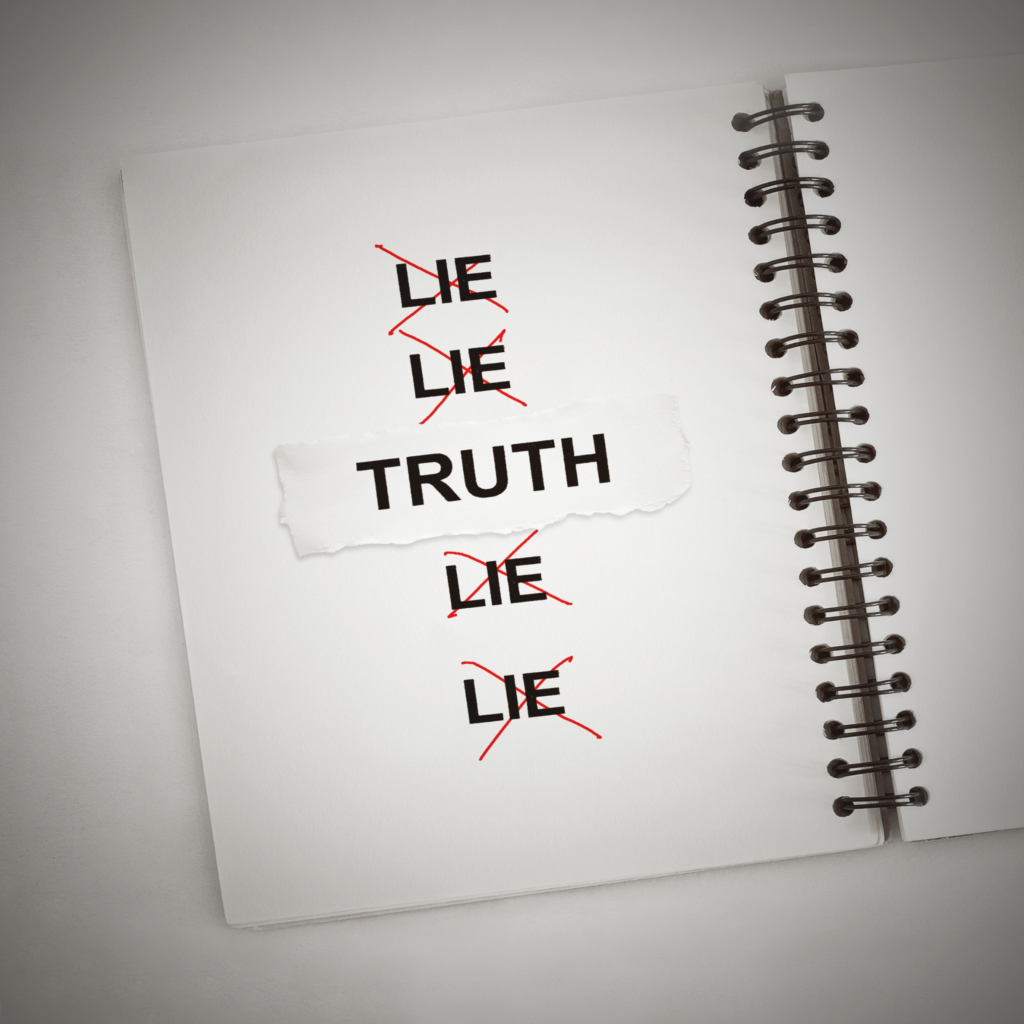
Survivors often live years believing lies that were handed to them by fear, shame, and manipulation. Healing begins when you trade those lies for truth.
Here are five truths that matter:
- You survived the unimaginable.
- Your body protected you the best way it could.
- Your healing pace is not a failure.
- Your voice matters, even if it shakes.
- You deserve tenderness, safety, and rest.
The truth sets survivors free, and speaking it helps others find light too.
You are rewriting your narrative – gently, courageously, one layer at a time.
Written by Heather Benjamin – survivor, advocate, and creator of The Echo Knows My Name, a space for survivors to find gentle truth, hope, and community. Each post is written with compassion and care for those rebuilding after abuse – because your healing deserves to be honored, one small win at a time.
